Termite Control Services vs DIY Treatments: Which Works Better?
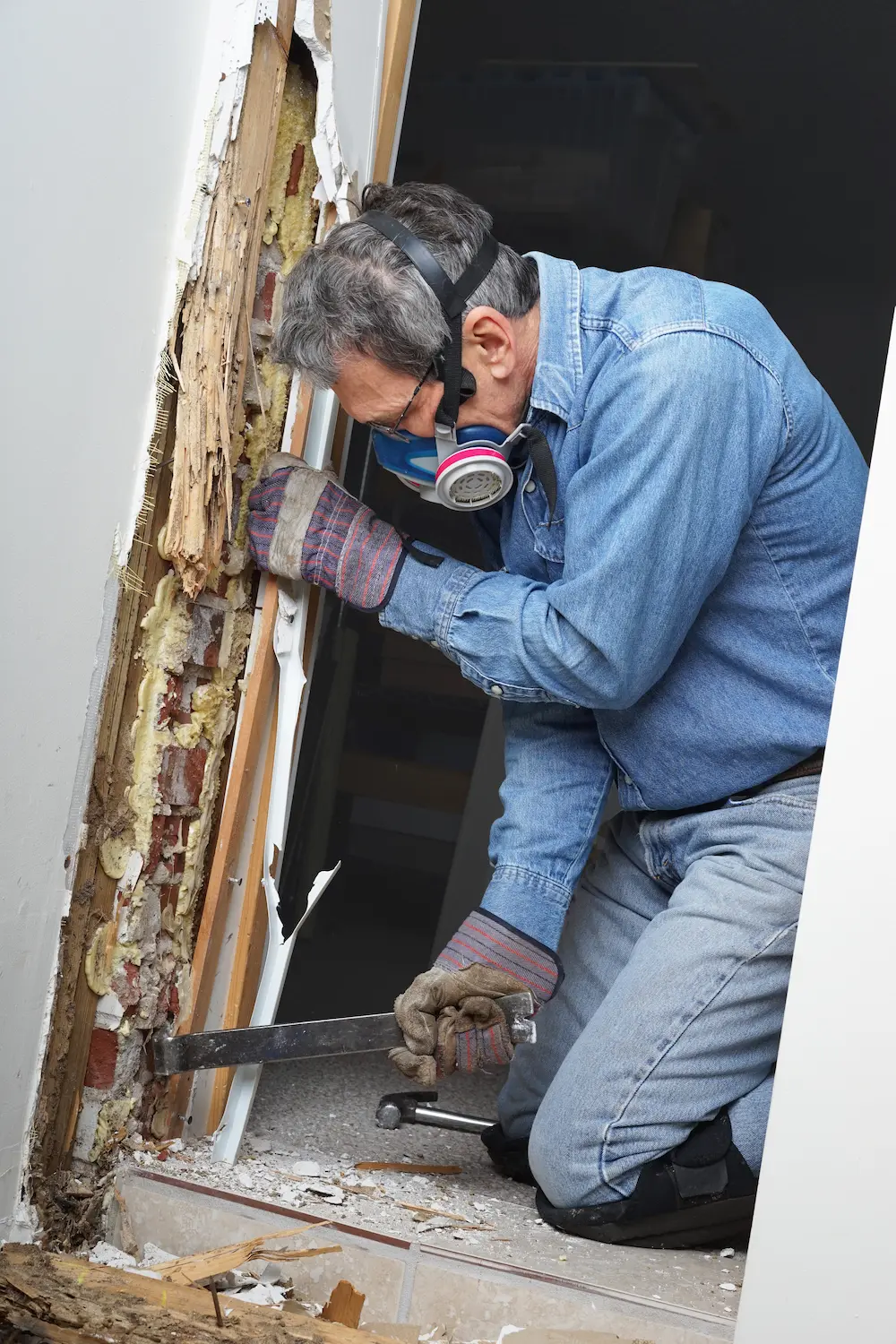
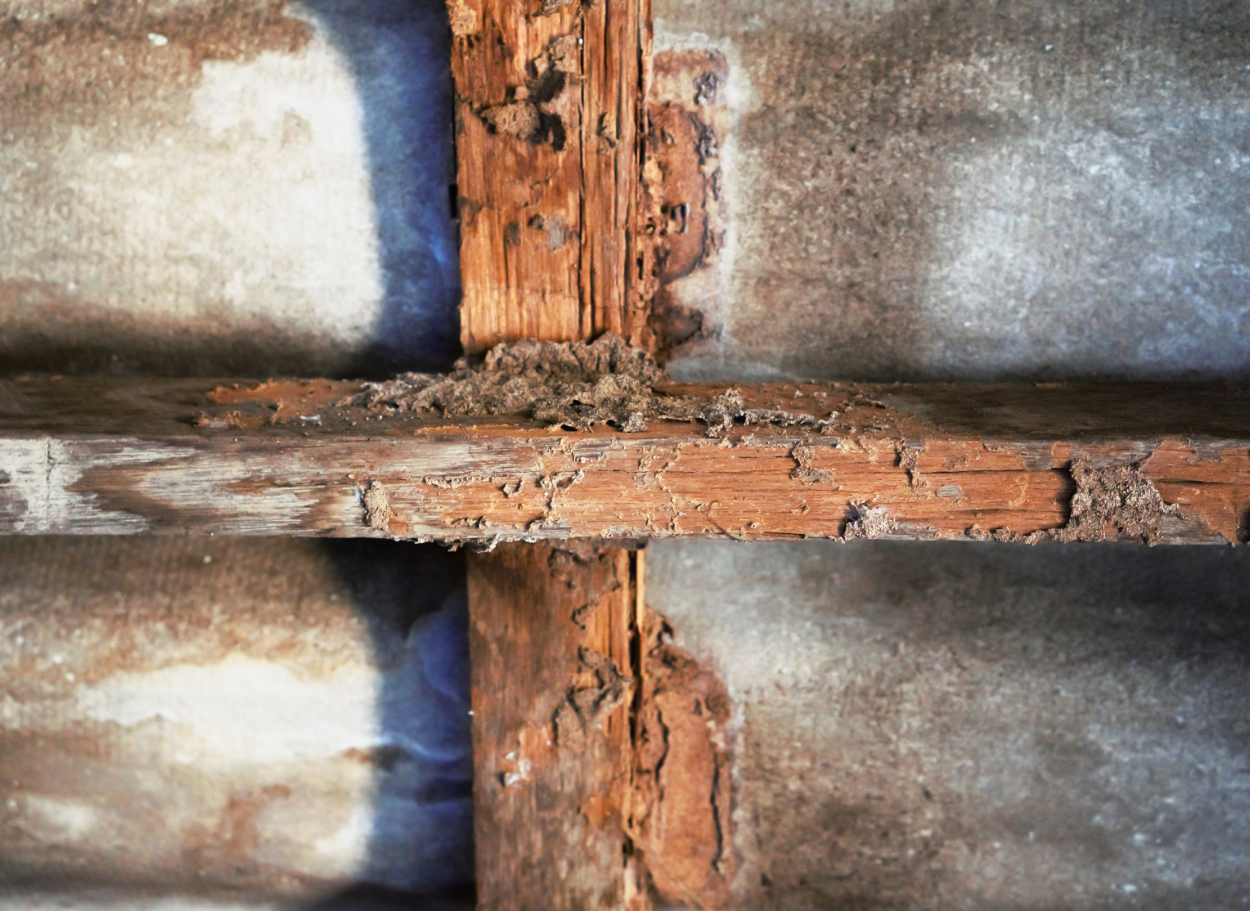
Termites are quiet, persistent, and expensive. By the time most homeowners notice a problem, the colony has often been feeding for months or longer. That lag is what makes the question so important: should you handle termites yourself, or hire professional Termite Control Services?
The honest answer is not as simple as "always hire a pro" or "store-bought products never work." Some do-it-yourself methods can help in very limited situations. Most full infestations, though, require professional diagnosis, treatment planning, and follow-up. The gap between the two approaches is not just about strength of product. It is about accuracy, coverage, timing, and whether the treatment reaches the actual colony instead of just the visible damage.
Homeowners often compare DIY and professional work as if they were interchangeable options at different price points. In practice, they solve different problems. A can of foam or a bottle of termiticide may kill termites you can see. A trained technician is trying to answer a much larger question: where are they entering, how extensive is the activity, what species is involved, what conditions are feeding the infestation, and how do you stop the colony from continuing to exploit the structure?
That distinction matters, because termites do not behave like pests that wander in from outside and die when sprayed. They move through hidden spaces, stay sheltered, and follow moisture and cellulose in ways most people never get to observe directly. If you treat the symptom and miss the network, the structure keeps paying the price.
Why homeowners try DIY first
The appeal of DIY termite treatment is obvious. It feels faster, cheaper, and more private. No appointment, no inspection, no service contract, no stranger crawling through the crawl space. If you find what looks like a few mud tubes near the foundation or some winged insects around a window, it is tempting to believe you caught the problem early enough to fix it with a weekend project.
Sometimes the motivation is not just cost. Some homeowners have had bad experiences with contractors in general and want more control over the process. Others assume termite work is mostly product application, and if the same active ingredient is available online, the result should be similar.
I understand that instinct. I have met plenty of careful, capable homeowners who are excellent at home maintenance, and many of them can competently seal leaks, replace trim, and do basic pest prevention. Termites, though, are one of those categories where the hidden nature of the damage changes everything. The visible evidence is rarely the whole story.
One common scenario goes like this: a homeowner sees a pencil-width mud tube on a block foundation wall, scrapes it off, sprays the area, and checks back a few days later. The tube has not returned, so the problem seems solved. Several months later, an inspection reveals activity in a sill plate on the other side of the structure, plus moisture damage under a bathroom line that had been quietly supporting the infestation all along. The original spray was not useless, exactly. It just answered the wrong question.
What DIY termite treatments can do, and where they fall short
DIY termite products generally fall into a few categories: sprays, foams, wood treatments, bait stations sold for consumer use, and soil-applied products. Some can kill termites on contact. Some can leave a residual barrier in a limited area. Some can help protect exposed wood during a renovation or repair. Those are real functions.
The trouble is that termites are rarely obliging enough to stay in the one board, one crack, or one visible tunnel you happened to treat.
Subterranean termites, the most common structural termite in many areas, live in the soil and travel through concealed routes. Drywood termites behave differently, living directly in wood, but they are also difficult to assess without experience because visible pellets or kick-out holes do not reliably reveal how extensive the galleries are inside. In both cases, success depends on finding the actual pattern of infestation, not just applying a product where the eye lands first.
A homeowner can absolutely buy a foam and inject it into damaged trim. If the issue is extremely localized, such as a small drywood pocket in a removable piece of wood, that may reduce activity. But the average house does not present such neat, isolated conditions. Wall voids, slab penetrations, plumbing chases, expansion joints, porches, attached garages, landscaping grade changes, and inaccessible crawl areas complicate the picture fast.
There is also the matter of dosage and placement. Termiticides are not magic liquids that work equally well no matter how they are used. Performance depends on dilution, soil type, moisture, trench depth, continuity of application, and whether the product reaches the critical pathways termites are actually using. Miss a section under a walkway or fail to account for a hidden expansion joint, and the colony may keep moving into the structure through the untreated gap.
What professional Termite Control Services actually provide
People often think they are paying professionals for stronger chemicals. In many cases, what they are really paying for is interpretation.
A qualified termite technician does not start with product, but with inspection. They look for swarm evidence, mud tubes, damaged wood, moisture conditions, previous treatments, wood-to-soil contact, and structural details that influence risk. They are trying to determine whether the problem is active, old, widespread, localized, subterranean, drywood, or even misidentified entirely. Carpenter ants, moisture damage, and fungal decay can all be mistaken for termite issues by homeowners.
That diagnosis changes the treatment plan. A good company might recommend a liquid soil treatment, a baiting system, spot treatment, wood treatment, or a combination, depending on the construction type and the infestation pattern. A slab house with expansion joints and plumbing penetrations calls for different tactics than a pier-and-beam home with a damp crawl space.
Professional Termite Control Services also bring equipment and access methods most homeowners do not use correctly or safely. Trenching, rodding, drilling through slabs or masonry where appropriate, injecting voids, and placing monitoring stations around the full perimeter are all tasks where precision matters. A treatment can look thorough from the surface and still be incomplete in the places that count.
Just as important, a reputable provider returns to evaluate results. Monitoring is part of termite work because colonies do not always respond on a tidy homeowner timeline. Professionals track whether activity has ceased, whether bait has been consumed, whether new tubes appear, and whether conducive conditions still exist.
Cost looks different when you factor in failure
DIY almost always wins the first price comparison. A few products, some safety gear, and a Saturday of work are cheaper than a professional inspection and treatment. If your only metric is immediate out-of-pocket cost, that is the end of the argument.
But termite decisions should be priced against risk, not just Termite Control Services receipts.
Repairing termite damage can range from cosmetic trim replacement to major framing work. Once subflooring, sill plates, wall studs, door frames, or roof members are involved, costs climb quickly. Add the possibility of moisture correction, insulation replacement, or access work in a crawl space, and a "cheap" failed treatment becomes expensive in retrospect.
I have seen owners spend a few hundred dollars on repeated DIY attempts over a year, only to hire a company after the infestation spread enough to require structural repairs. In that situation, the real cost of DIY was not the products. It was the delay.
That does not mean every professional proposal is automatically reasonable. Some companies oversell annual plans, push treatments when evidence is weak, or fail to explain why one method fits the structure better than another. Homeowners should ask hard questions. Still, when termites are confirmed, the cheapest path is often the one that eliminates the infestation correctly the first time.
The situations where DIY has a legitimate role
DIY is not worthless. It is simply narrower in scope than many people hope.
There are a few cases where homeowner action can be sensible and useful:
- Reducing moisture problems, such as fixing leaks, improving drainage, and venting damp crawl spaces
- Removing wood-to-soil contact, including untreated lattice, scrap lumber, or mulch piled too high against siding
- Applying borate products to exposed, unfinished wood during remodeling or new construction
- Monitoring suspicious areas and documenting signs before a professional inspection
- Handling minor preventive maintenance after a professional treatment plan is in place
These actions matter because termites exploit conditions. Lowering moisture, improving clearance, and reducing food sources make a property less attractive and can support any treatment strategy. They just do not replace the work of eliminating an active infestation inside or around the structure.
The distinction is practical. Homeowners are often very effective at prevention support. They are less effective at colony control.
Species matters more than most people realize
The phrase "termite problem" hides a lot of variation. Treatment that makes sense for one species may be weak or incomplete for another.
Subterranean termites are the classic structural destroyers in many regions. They need moisture contact with the soil and often build mud tubes to stay protected while traveling. With them, the challenge is usually intercepting or eliminating the colony's access routes between the ground and the building. Soil treatments and baiting systems are common tools.
Drywood termites live within the wood they infest and do not need ground contact in the same way. A homeowner may first notice tiny fecal pellets near window trim, attic framing, or fascia boards. Localized spot treatment can work in some drywood cases, but only if the extent of infestation is known accurately. In more established infestations, whole-structure approaches may be discussed depending on the region and severity.
Dampwood termites, less common in many homes, are strongly associated with persistently wet wood. If you do not solve the moisture source, treatment results are limited.
This is where professional judgment earns its keep. Misidentifying the species often leads homeowners to buy the wrong product, treat the wrong place, or underestimate the scale of the problem.
Why inspections outperform guesswork
One of the least appreciated parts of termite control is the inspection itself. Good inspectors do not merely look for insects. They read the building.
They notice where grade meets siding too high. They look at whether downspouts dump water near the footing. They check if the porch slab is cracked where it joins the home, whether firewood is stacked against an exterior wall, whether crawl-space humidity is excessive, and whether a previous treatment left drill patches that hint at old activity. They know that a blistered baseboard in one room may connect to plumbing conditions in another.
That kind of pattern recognition is difficult to duplicate without experience, especially because termites hide. By the time wood sounds hollow, the colony has often been at work for a while. A careful inspection can catch subtler clues before obvious damage appears.
There is another advantage here: professionals can tell when it is not termites. Homeowners sometimes panic over flying ants, old abandoned tubes, harmless wood staining, or beetle exit holes. Spending money on the wrong treatment is frustrating. Tearing into walls unnecessarily is worse.
The real performance difference: visible kill vs long-term control
This is the core of the comparison. DIY treatments can sometimes produce visible kill. Professional treatment is designed for long-term control.
Visible kill feels satisfying because it gives instant proof that the product "worked." You spray, inject, or dust an area and see dead insects. The problem is that termites are social, cryptic, and distributed. If ten percent of the active population was in the area you treated, you may get an impressive short-term result while ninety percent of the colony continues undisturbed.
Long-term control means interrupting the colony's ability to keep exploiting the building. That may involve creating a continuous treated zone in the soil, placing bait strategically so workers carry toxicant through the colony, or combining direct treatment with exclusion and moisture correction. None of that is glamorous. Most of it is invisible. Termite Control Services Maximum Pest Control But invisible work is exactly what termite control requires.
Homeowners often underestimate how much of professional termite success comes from completeness. A treatment that is 80 percent complete is not 80 percent effective in a straightforward way. Sometimes it is functionally a failure because termites only need one workable route.
Safety and legal considerations deserve more attention
DIY termite work carries safety concerns that people tend to brush aside. Soil termiticides and concentrated pesticides are not casual-use products just because they can be purchased. Mixing, protective gear, runoff control, ventilation, storage, and disposal all matter. So does keeping products away from wells, drains, pets, and children.
Then there is the issue of where and how products can legally be applied. Label directions are not suggestions. They are the law. Applying a product in a way not specified on the label can create liability and health risks, especially around slabs, interior spaces, and moisture-prone areas.
Professional operators are not perfect, but licensed providers are trained on application standards, local regulations, and the practical risks of treatment around occupied homes. That knowledge matters even more in houses with finished basements, radiant heat systems, French drains, cisterns, or unusual construction details.
Warranties, monitoring, and accountability
Another major difference between DIY and professional service is what happens six months later.
If a homeowner treats termites and activity returns, they start over. There is no warranty, no inspection follow-up, no third party accountable for retreatment decisions. That may be acceptable for a low-stakes preventive step, but it becomes costly in a live structural infestation.
Many professional Termite Control Services include some form of retreatment warranty, annual inspection, or renewable service agreement. Terms vary widely, so homeowners need to read them carefully. Some cover retreatment only. Some cover limited repair obligations. Some require annual renewal and inspections to stay active. None of that should be accepted blindly.
Still, a written service record and ongoing monitoring have real value. If you sell the house later, documentation of professional termite treatment and follow-up can also matter during buyer inspections and negotiations.
When hiring a pro is the clear better choice
There are situations where the debate is barely a debate. Professional help is the better choice if any of the following are true:
- You have confirmed active termites in structural wood, crawl spaces, attics, or multiple rooms
- Mud tubes reappear after removal or spot treatment
- The home is on a slab, has complex additions, or has inaccessible construction features
- You are not certain whether the pest is termites, ants, beetles, or rot-related damage
- You plan to sell, refinance, or document treatment for insurance or transaction purposes
These are the cases where the cost of guessing wrong is simply too high. A house is too valuable an asset to manage by trial and error once termite activity is established.
How to choose among professional providers
Not all termite companies are equal. Some are excellent diagnosticians. Some are strong on sales and weaker on explanation. The best providers are usually willing to slow down and walk you through what they found, why they think the infestation is active or inactive, and why they recommend one treatment over another.
Ask them where they found evidence, what species they suspect, what areas will be treated, whether drilling or trenching is required, how long results typically take, and what the warranty does and does not cover. If they cannot explain the treatment in plain language, that is useful information.
It is also smart to get more than one opinion when the proposed work is extensive. Termite treatment is not a commodity. Two companies may propose different methods for the same house, and both may be defensible if the reasoning is sound. What you want is not a rehearsed pitch but a building-specific plan.
A balanced answer for real houses
So, which works better: DIY treatments or professional termite control?
For prevention support, minor monitoring, and moisture correction, DIY can be worthwhile. It helps reduce risk, and every homeowner should understand the conditions termites like. For active infestations, especially subterranean termite problems in or around a structure, professional Termite Control Services usually work better by a wide margin.
That is not because homeowners are incapable. It is because termite control is less about effort than about access, diagnosis, completeness, and follow-through. The hard part is not killing the termites you can see. The hard part is controlling the colony you cannot.
If you are dealing with a suspicious sign rather than confirmed activity, do the sensible homeowner things first. Fix the leak. Move the woodpile. Reduce soil contact. Take photos. Then get a real inspection before assuming a store-bought treatment solved it. When termites are involved, confidence is cheap. Certainty is what protects the house.
Maximum Pest Control
836 NE 7th Terrace Suite #5
Cape Coral, FL 33909
+1 239-772-7363
FAQ About Termite Control Services
What are two signs of a termite infestation?
Mud tubes along a foundation and piles of shed wings near doors or windows are two signs to investigate. Mud tubes are associated with subterranean termites. A licensed inspector can identify the insect and assess whether there is active infestation.
How many years does a termite treatment last?
There is no single timeline for all treatments. The method, site conditions, and maintenance affect how long protection lasts. Bait systems rely on monitoring and service. Ask the provider for the recommended inspection schedule and the terms of any coverage.
Is Termite Treatment Expensive in Cape Coral?
Cost depends on the termite species, the size and construction of the property, the extent of activity, and the treatment method. Request a written estimate after inspection and ask whether monitoring, follow-up visits, and renewals are included.