How Often Should You Schedule Termite Control Services?
Termites do not work on your timetable. They work on moisture, temperature, access, and time. By the time a homeowner sees visible damage, the colony has often been active for months, sometimes years. That is why the question is not simply whether you need termite protection, but how often you should schedule termite control services to keep risk low without paying for unnecessary visits.
The right answer depends on several factors: where you live, the age and construction of the building, the treatment method already in place, whether you have had termites before, and how closely someone is watching for early warning signs. A newly built home on a dry lot with a current baiting system does not need the same service cadence as a crawl-space house with drainage problems and a history of subterranean termite activity.
Homeowners often ask for a simple rule, such as once a year or every quarter. In practice, there is a baseline recommendation, and then there is the schedule that makes sense for your property. The baseline is usually an annual professional inspection, but that is only the starting point. Some homes benefit from more frequent monitoring, while others need retreatment on a timetable tied to the product used rather than the calendar alone.
The annual inspection is the baseline, not the whole strategy
For most properties, a professional termite inspection once a year is the minimum sensible schedule. Annual visits give a technician a chance to check vulnerable areas, look for fresh mud tubes, damaged wood, moisture issues, conducive conditions, and any changes around the foundation that may have increased risk since the last inspection.
That yearly inspection matters even if your home has never had termites. In fact, homes with no prior infestation can lull owners into a false sense of security. I have seen houses with immaculate interiors and no visible pest issues where the first sign of trouble was a soft baseboard in a guest room or a blistered patch of paint near a patio door. The owners were stunned, mostly because they assumed no symptoms meant no problem. Termites thrive on that assumption.
An annual inspection is especially important because termite activity often starts in concealed areas. Subterranean termites typically enter through the soil and move behind walls, under flooring, or into structural members that are not part of daily view. Drywood termites, in regions where they are common, can occupy attic framing, fascia boards, window trim, or furniture long before anyone notices frass or pinhole kick-out openings.
If you do nothing else, schedule the yearly inspection. It is the closest thing to a standard best practice across most home types.
When once a year is not enough
There are plenty of situations where one annual visit is too light. If your property has elevated risk, more frequent termite control services may save money and structural repairs later.
Homes in warm, humid regions often need closer monitoring because termite pressure is simply higher. In the southeastern United States, parts of the Gulf Coast, and other termite-prone climates, colonies stay active for long stretches of the year. Moisture remains available, soil conditions are favorable, and swarm seasons can be intense. In those settings, quarterly or semiannual service visits are not overkill, especially if the property has a history of termite issues.
The same is true for older homes. Age by itself does not create termites, but older buildings often have the exact conditions termites like: settled foundations, hidden wood-to-soil contact, historic moisture intrusion, patched additions, aging siding, and crawl spaces with limited airflow. An older home that has been remodeled several times can be particularly tricky because access points get created and concealed as building systems change.
Properties with persistent moisture problems also deserve a tighter service schedule. Leaking hose bibs, poor grading, clogged gutters, wet crawl spaces, condensation around HVAC lines, and irrigation heads spraying the foundation all increase termite appeal. A technician can treat the termites, but if the moisture remains, the property stays inviting.
Recent construction can also change the equation. Whenever a home has landscaping, patios, planter beds, or additions installed after the original termite treatment, parts of the barrier can be interrupted. I have seen beautiful hardscape projects unintentionally bridge protected areas and make inspection harder. In these cases, it makes sense to have termite control services Termite Control Services evaluate the property after the work is complete rather than waiting for the next routine check.
Your treatment method affects the service interval
One reason homeowners get conflicting advice is that not all termite protection systems work the same way. Inspection frequency and retreatment timing depend heavily on the control method in place.
Liquid termiticides are often applied in the soil around the foundation, and in some cases through drilling into slabs, masonry joints, or attached structures. These treatments can provide long-lasting protection, but they still require periodic inspection. The product may remain active for years, yet the property can change around it. Soil can be disturbed, drainage can shift, additions can alter access, and untreated gaps may appear. A home with a liquid treatment still benefits from annual inspections, and some companies prefer more frequent checks in high-pressure areas.
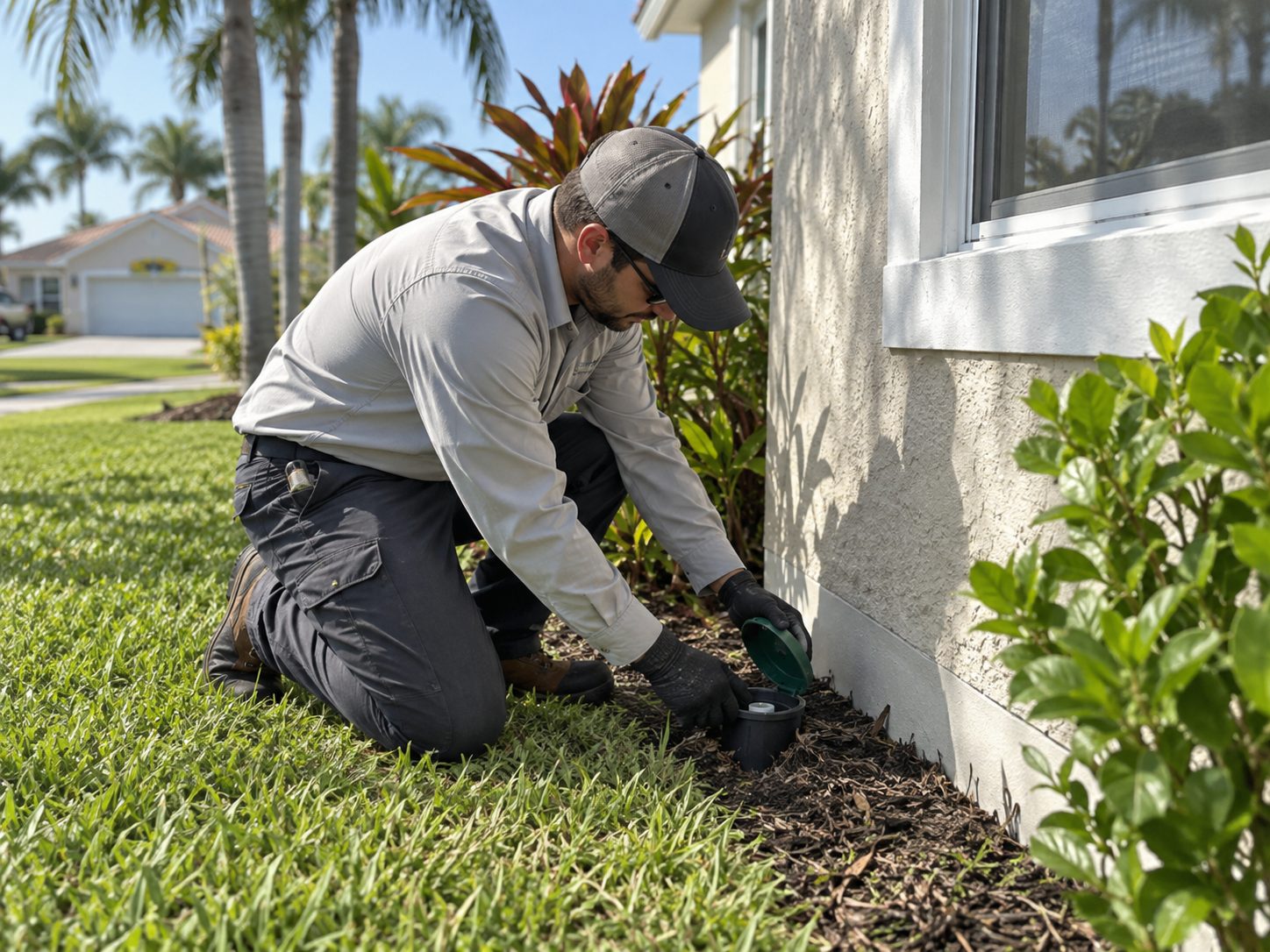
Bait systems operate differently. They rely on installed stations that must be monitored, replenished, and interpreted by a trained technician. With baiting, the service schedule is usually more frequent than once a year because the stations themselves are part of the active defense. Depending on the system and provider, that may mean quarterly monitoring, or in some cases every few months during active periods. If a station is ignored for too long, the system loses much of its value.
Localized treatments for drywood termites, such as spot treatments in specific wood members, often require a follow-up schedule based on the size and location of the infestation. Spot treatment can be appropriate in some cases, but it is not a blanket substitute for broader inspection. If one colony was found in trim near a window, you still want a professional looking elsewhere to confirm there are no satellite issues or separate infestations.
Fumigation, where appropriate and used in regions where drywood termites are a major concern, addresses active infestations inside the treated structure at that time. It does not create a permanent shield against future re-infestation. After fumigation, homeowners sometimes relax too much because they feel the problem was completely erased. What really happened is that the active infestation was addressed. Future inspection and ongoing vigilance remain necessary.
A practical way to decide your schedule
If you want a realistic service rhythm, start with risk categories rather than marketing promises. A basic framework looks like this:
- Low risk: annual inspection, with prompt rechecks if you see suspicious signs
- Moderate risk: inspection every 6 to 12 months, depending on local termite pressure
- High risk: quarterly or semiannual service, especially if bait stations or past infestations are involved
- Post-treatment monitoring: follow the provider’s schedule closely during the first year after treatment
- Real estate or renovation events: schedule an extra inspection when ownership or structure changes
Those categories are broad, but they reflect how termite work is handled in the field. There is no single perfect interval for every property. A technician who knows your region and can actually inspect the structure should fine-tune that schedule.
Signs that should trigger an unscheduled visit
Even if you are on a regular service plan, certain warning signs should move your next appointment forward. Waiting for the next annual check after you notice suspicious evidence is rarely a good gamble.
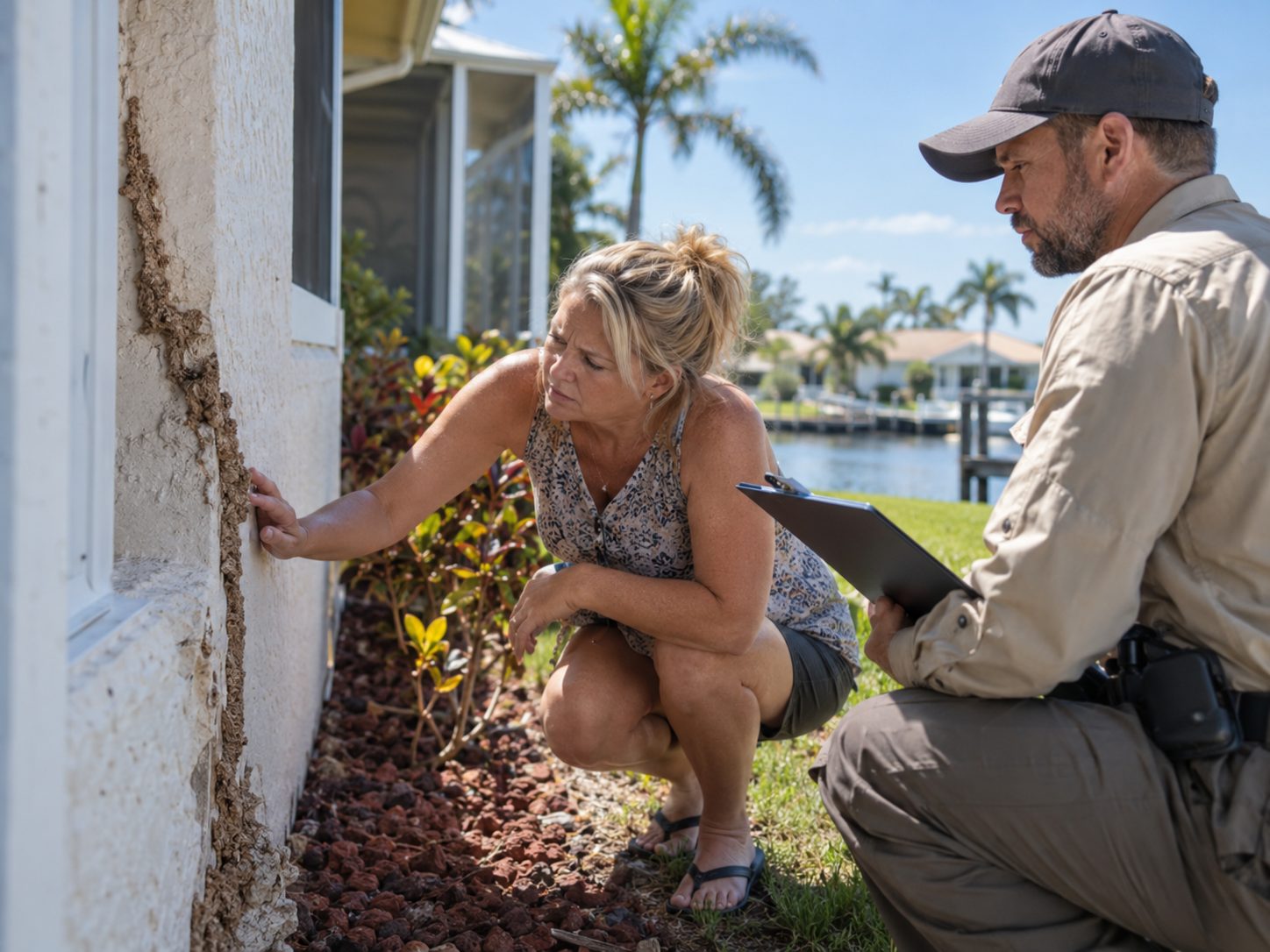
Mud tubes along a foundation wall, pier, crawl-space support, or inside a garage are one of the clearest red flags for subterranean termites. Soft or hollow-sounding wood, blistered paint that resembles water damage, tight-fitting doors or windows near infested framing, and piles of insect wings after a swarm are also reasons to call right away. With drywood termites, tiny pellets that resemble grains of sand or pepper can be the first visible clue.
One homeowner I worked with delayed calling because she assumed a sticking back door was caused by humidity. It was summer, and that seemed reasonable. When a technician finally inspected the area, termites had already damaged the framing beside the door enough to distort it. What could have been a relatively contained treatment became a repair job involving trim, sheathing, and part of the threshold assembly. The lesson was simple: subtle signs often matter more than dramatic ones.
Why service plans differ so much from one company to another
Homeowners often compare quotes and wonder why one provider recommends annual termite control services while another pushes quarterly visits. Sometimes the difference is justified. Sometimes it is sales strategy.
A reputable company will explain what they are monitoring, how the treatment works, what local termite pressure looks like, and why a given service interval fits your property. If bait stations are installed, more frequent visits are expected because the stations need attention. If a liquid treatment was completed recently and your home has low risk factors, annual inspection may be perfectly reasonable.
The red flag is vagueness. If a company cannot tell you whether they are proposing monitoring, retreatment, inspection, or all three, press for specifics. These are not interchangeable terms. An inspection means looking for evidence and risk factors. Monitoring may involve checking devices or stations. Retreatment refers to reapplying control measures when needed. A service plan can include all of these, but the timing and cost should be clear.
This is one area where experience matters. Good termite professionals do not just sell frequency. They sell fit. A slab-on-grade home with no crawl space, strong drainage, and a documented recent treatment history may not need the same cadence as a house with a wood deck, expansion joints, a history of leaks, and landscaping piled against the siding.
Climate and geography matter more than people think
Termite scheduling in Phoenix is not the same as termite scheduling in Houston. Even within the same state, soil type, rainfall, irrigation habits, and species pressure can shift the risk profile.
Subterranean termites are heavily influenced by soil moisture and access. In wetter regions, colonies can remain active for long periods and expand quickly. In drier climates, irrigation systems, mulch beds, and shaded foundation areas can create termite-friendly pockets around homes that otherwise seem low risk.
Coastal properties deserve special attention. Salt air itself is not the issue, but coastal homes often have high humidity, wind-driven rain exposure, and construction details that challenge inspection. Raised homes, enclosed crawl spaces, and utility penetrations can all complicate the picture. If you own near the coast, annual inspection should be considered the floor, not the ceiling.
If you are unsure how termite-prone your area is, ask a local provider what species they see most often, when swarm season typically peaks, and what service cadence they recommend for homes like yours. Local context is often more useful than generic national advice.
How previous infestations change the schedule
A home that has had termites before should generally be monitored more closely, at least for a period after treatment. That does not always mean the property is permanently doomed to high-frequency service. It does mean there is now a documented history, and that history deserves attention.
After an active infestation has been treated, many professionals recommend follow-up inspections during the first year Termite Control Services to confirm the treatment performed as expected and to verify that no adjacent or hidden activity remains. Depending on the treatment type, that might mean a 30-day, 90-day, or several-month follow-up, then a return to annual inspection if conditions are stable.
The larger the original infestation, the more important that follow-up becomes. If termites were found in multiple areas, if there was significant structural damage, or if conducive conditions were difficult to correct, a more aggressive schedule makes sense. On the other hand, a small, localized issue discovered early and corrected thoroughly may eventually return to a normal annual plan.
The key point is that treatment is not the end of management. It is one phase in a longer process.
What homeowners can do between professional visits
Professional termite control services work best when the property owner helps reduce risk between visits. You do not need to become a pest specialist, but a few habits make a meaningful difference.
- Keep mulch, soil, and plants from covering siding or foundation vents
- Fix leaks and drainage issues quickly, especially around the foundation
- Avoid storing firewood or scrap lumber against the house
- Watch for swarms, discarded wings, frass, and mud tubes during seasonal changes
- Tell your termite provider about any renovation, grading, or patio work
These are simple steps, but they matter because they either reduce termite appeal or preserve inspectability. One of the most common problems technicians run into is hidden foundation lines. Dense shrubs, decorative stone piled high against siding, and stored materials around the perimeter make it harder to spot early activity.
New construction versus existing homes
A newly built home often includes some form of pre-treatment or code-driven termite protection, depending on the region. That gives owners a sense of security, and some of it is deserved. New systems can provide strong early protection. But new does not mean maintenance-free.
Construction treatments can be disrupted surprisingly fast. Soil gets moved for landscaping. Fence posts go in. Irrigation lines are added. Homeowners pour a new walkway or attach a deck. All of those changes can affect how well the original protection performs. I usually advise new homeowners to verify what was installed, keep the documentation, and schedule a professional inspection within the first year or two unless the builder’s termite program already includes regular monitoring.
Existing homes usually have a less complete treatment history, which means inspection frequency matters even more. If you bought an older house and do not know when it was last treated, start with a thorough inspection rather than assuming the previous owner handled it.
Cost versus risk, the balance most people are really asking about
When people ask how often to schedule termite control services, they are often asking a financial question in plain clothes. They want to know how much protection is enough before the cost stops making sense.
That is a fair question. No one wants to over-service a property. But termite damage is one of those problems that becomes expensive quietly. A yearly inspection may cost a fraction of what even modest repairs run once framing, trim, flooring, drywall, or cabinetry are involved. If the damage affects structural members, the cost and disruption rise fast.
The trick is not to buy the highest-frequency plan by default. It is to match service frequency to your risk. Low-risk homes may do well with annual inspections and good maintenance. Higher-risk homes often justify semiannual or quarterly attention, especially with bait systems or known history. That is where professional judgment earns its keep.
A good provider should be able to say, in plain language, why your house needs the schedule they recommend. If they cannot, keep asking questions.
How to talk with a termite professional before you commit
Before signing a service agreement, ask the company how often they expect to inspect the property, what kind of termites they are designing the plan around, what treatment is already in place if any, and what events would justify an additional visit. Ask how they handle follow-up if signs appear between scheduled appointments.
Also ask what they need from you. Some systems require access to all foundation walls, crawl spaces, attics, or station locations. If you know certain areas are blocked by finishes, additions, or stored items, discuss that upfront. Hidden access limitations can make a cheap plan less valuable than it sounds.
The best conversations are specific. Instead of asking, “How often should I treat for termites?” ask, “Given my crawl space, drainage issues on the back side, and the fact that we had activity three years ago, how often should this house be inspected and why?” That tends to produce a much more useful answer.
The schedule that makes sense for most homes
For most homeowners, the practical answer is this: schedule termite control services at least once a year for inspection, and move to semiannual or quarterly service if your home has higher risk factors, a bait system, prior infestation history, or environmental conditions that favor termites.
That schedule is not dramatic, but it is realistic. It reflects how termite problems actually develop and how they are best prevented. The homes that suffer the worst damage are rarely the ones with perfect bad luck. More often, they are the ones where minor warning signs went unchecked for too long, or where an old treatment plan was assumed to be permanent protection.
If your property is due, start with an inspection and let the structure, treatment history, and local pressure guide the next step. That is how sensible termite prevention is done.
Maximum Pest Control
836 NE 7th Terrace Suite #5
Cape Coral, FL 33909
+1 239-772-7363
FAQ About Termite Control Services
What are two signs of a termite infestation?
Mud tubes along a foundation and piles of shed wings near doors or windows are two signs to investigate. Mud tubes are associated with subterranean termites. A licensed inspector can identify the insect and assess whether there is active infestation.
How many years does a termite treatment last?
There is no single timeline for all treatments. The method, site conditions, and maintenance affect how long protection lasts. Bait systems rely on monitoring and service. Ask the provider for the recommended inspection schedule and the terms of any coverage.
Is Termite Treatment Expensive in Cape Coral?
Cost depends on the termite species, the size and construction of the property, the extent of activity, and the treatment method. Request a written estimate after inspection and ask whether monitoring, follow-up visits, and renewals are included.