5 Warning Signs That Call for Immediate Termite Control Services
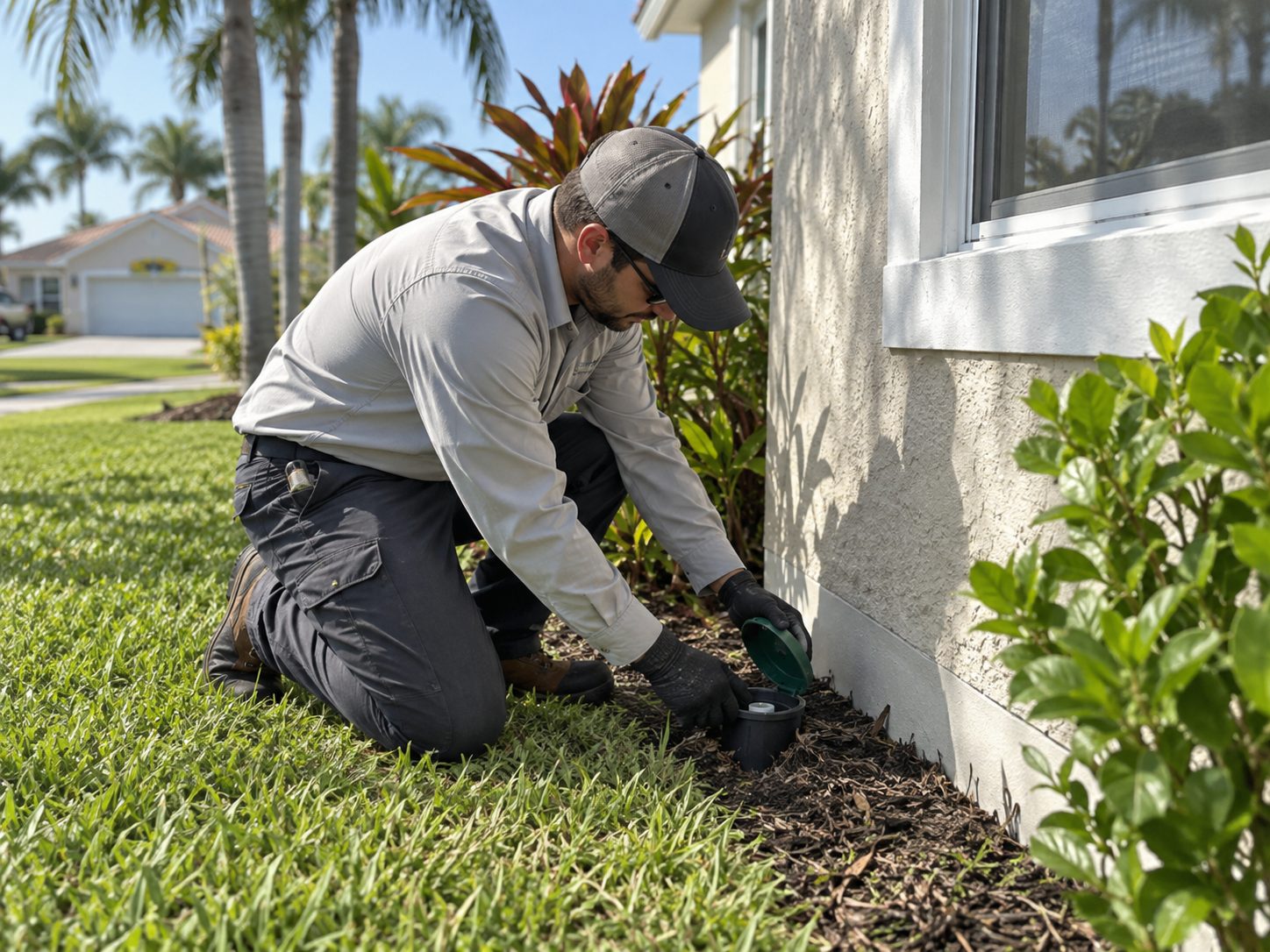
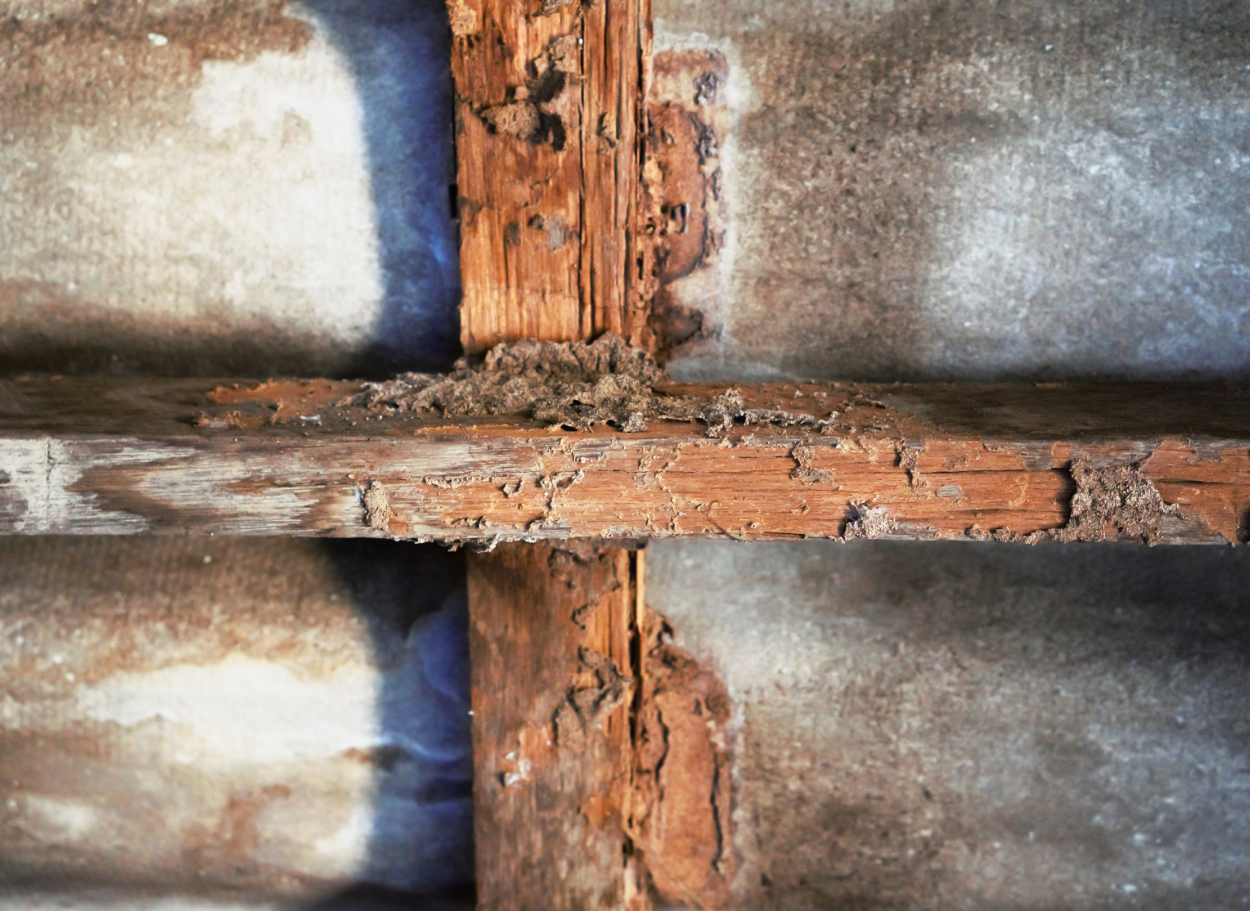

A termite problem rarely announces itself in a dramatic way. Most infestations begin quietly, behind drywall, under flooring, or deep inside crawl spaces where no one thinks to look until the damage is no longer minor. By the time many property owners call for help, termites have been feeding for months, sometimes years, on framing, trim, subfloors, and any other cellulose-based material they can reach.
That quiet progression is what makes termites so expensive. A leaking pipe usually leaves a stain. A roof problem often shows up after the first storm. Termites, by contrast, can hollow out structural wood while the surface still looks almost normal. I have seen baseboards that seemed perfectly solid until a screwdriver pressed through them like cardboard. I have seen sellers lose negotiating power during a real estate transaction because a small, overlooked termite issue turned into documented structural damage.
Prompt action matters because termite colonies do not stay contained to one small corner of a house. If conditions are favorable, they spread. The right response is not guesswork, and it is not a can of bug spray from the hardware store. The right response is a fast inspection and, when warranted, professional Termite Control Services that can identify the species, locate the activity, measure the extent of damage, and treat both the visible problem and the hidden one.
Why timing matters more with termites than with most pests
With ants in a kitchen, you usually see the traffic. With rodents in an attic, you hear movement. Termites are different because the insects are built for concealment. Subterranean termites, which are the most common type in many regions, travel through mud tubes to stay moist and protected. Drywood termites live inside the wood they consume. Neither group needs to parade across the floor to keep feeding.
That means the visible signs people notice are often secondary effects. A door begins sticking. Paint starts blistering. A section of floor feels softer underfoot. Homeowners often blame humidity, settling, or age, which is understandable. Houses move, wood swells, and old trim cracks. But termites can mimic those ordinary wear-and-tear issues closely enough that waiting becomes a costly gamble.
The harder truth is that termite damage is usually cheaper to stop early than to repair later. Treatment itself is one part of the bill. The bigger expense often comes from replacing joists, studs, headers, porch posts, flooring, or trim after the insects have already done the real damage.
The five warning signs you should never ignore
1. Mud tubes on foundation walls, piers, or crawl space surfaces
If you see pencil-width brown tubes running along concrete, block, brick, or wood, take it seriously. Those tubes are one of the clearest indications of subterranean termite activity. They are not random dirt streaks. They are protected highways that termites build from soil to food sources.
You may find them along a foundation wall, inside a crawl space, behind stored items in a basement, under a deck, or even climbing a garage wall where wood framing is accessible. Some are active, some are abandoned, and from a distance they can all look similar. That is one reason a professional inspection matters. Breaking a section open may reveal live worker termites, but even if you do not see live insects at that moment, the presence of tubes still justifies an immediate call.
A common mistake is to knock the tubes down and assume the issue is solved if they do not immediately reappear. That only removes the visible symptom. The colony is not in the tube, it is in the soil or another protected area, and the feeding may continue elsewhere out of sight. I have seen property owners do exactly that, only to find fresh tubes weeks later in a different location and much more damage underneath a bathroom wall.
Mud tubes are especially urgent when paired with moisture problems. Leaking hose bibs, poor drainage, downspouts that dump near the foundation, and chronically damp crawl spaces create conditions termites love. In those situations, effective Termite Control Services often need to address both treatment and the environmental conditions that made the area attractive in the first place.
2. Wood that sounds hollow or breaks apart easily
Healthy structural wood should resist pressure. It may be old, it may be dry, and it may carry surface wear, but it should not crumble under light probing. If wood sounds hollow when tapped or gives way unexpectedly when pressed, termites should be on your shortlist of possible causes.
This sign appears in different ways depending on the area of the home. A windowsill may feel thin beneath a coat of paint. A door frame may dent too easily. A porch railing post may seem sturdy until you lean on it and hear cracking from within. In severe cases, floorboards sag because the subfloor or joists beneath have been eaten along the grain.
Termites do not consume wood uniformly from the outside inward. They often leave a thin outer shell intact while hollowing out the interior. That is why trim and framing can look deceptively sound. The damage is hidden until pressure exposes it. Carpenter ants can also damage wood, but their galleries tend to look cleaner and smoother inside, while termite damage usually has a more layered, eaten appearance and may include soil-like material, depending on the species.
One practical clue is location. If the suspect wood is near the ground, close to plumbing lines, or in a chronically humid area such as a crawl space, mudroom, or basement perimeter, termites become more likely. Still, diagnosis by location alone is not enough. Rot, fungal decay, and prior water damage can produce similar weakness. The difference matters because the repair plan changes significantly depending on the cause. A contractor may replace damaged wood, but if active termites remain untreated, the replacement wood can become the next food source.
3. Discarded wings near windows, doors, or light sources
Many people first realize they have termites when they find a small pile of delicate, translucent wings on a windowsill or near an exterior door. These wings are often left behind after reproductive termites, called swarmers, emerge to mate and establish new colonies. Swarming is seasonal in many areas, often triggered by warmth, humidity, or recent rain, but local patterns vary.
A few winged insects around a porch light do not automatically mean your house is infested. Swarmers may come from a nearby colony outdoors. The detail that raises concern is where the wings appear. If they are inside the home, especially in a concentrated area, there is a real chance the swarm emerged from within the structure or from an attached area such as a wall void, crawl space, or garage framing.
Homeowners often confuse termite swarmers with flying ants. It happens all the time. The differences are noticeable once you know what to look for. Termites usually have straight antennae, a more uniform body width, and two pairs of wings that are similar in size. Flying ants have elbowed antennae, a pinched waist, and front wings that are larger than the rear pair. But few people want to play entomologist on a Tuesday morning before work, and they should not have to. If you are seeing cast wings indoors, that is enough reason to schedule an inspection.
This sign deserves urgency because a swarm is not the beginning of termite activity. It is usually evidence that a colony has matured enough to reproduce. In other words, the termites have likely been present for some time before you ever saw the wings.
4. Bubbling paint, blistering surfaces, or unexplained drywall changes
Blistering paint and slightly swollen drywall often get blamed on moisture alone, and moisture is certainly part of the story. But where there is unexplained surface distortion, especially near baseboards, window trim, door casings, or lower wall sections, termites should be considered alongside plumbing leaks and condensation issues.
Subterranean termites can introduce moisture as they travel and feed, creating cosmetic changes that mimic water damage. Paint may bubble. Drywall tape lines may begin to show. A wall may look faintly rippled. Flooring near Termite Control Services the same area may cup or feel uneven. What makes this sign tricky is that a painter or handyman might treat it as a straightforward finish problem, scrape it, patch it, and repaint it. Months later, the blemish returns because the real source was never addressed.
This is where experience helps. Cosmetic failure caused by age tends to be more general and predictable. Cosmetic failure tied to hidden termite activity often appears oddly localized. You may see one lower corner of a room react while the rest of the wall looks fine. You may also notice tiny pinholes, soft spots beneath painted wood trim, or a faint papery feel where solid material should be.
If bubbling paint is accompanied by any other warning sign, such as a sticking door, visible mud tubes, or weak trim, do not wait for the next maintenance cycle. Call for professional Termite Control Services and let the inspection determine whether the issue is aesthetic, moisture-related, termite-related, or a combination of all three.
5. Tight-fitting doors, warped trim, or sagging floors that appear suddenly
Not every shifting door or squeaky floor means termites. Houses expand and contract. Older homes settle. Humidity changes can make a wood door swell in summer and behave perfectly in winter. The red flag is a noticeable change without a clear explanation, especially when it is isolated to one area and paired with other subtle warning signs.
When termites damage load-bearing wood, the result is not always dramatic collapse. More often, there is a gradual loss of support that changes how connected parts of the home sit and move. A door that closed smoothly last month now rubs at the top corner. A section of floor near a bathroom feels slightly spongy. Crown molding separates from the ceiling line in one room while the rest of the house remains stable. These are the kinds of clues that get dismissed until someone traces them back to compromised framing.
I remember one case where a homeowner called because a laundry room door would not latch. They expected a quick adjustment. What the inspection uncovered was termite damage in adjacent wall framing near a utility penetration where moisture had been chronic for years. The sticking door was not a hardware issue. It was a symptom of movement caused by weakened wood. Catching it then prevented a much larger framing repair six months later.
Sudden or localized changes deserve attention because termites are selective only in the sense that Termite Control Services they feed where access and conditions suit them. The structural consequences then show up wherever that damaged member affects the building assembly.
What to do the moment you notice one of these signs
Fast action does not mean panic. It means making smart decisions before more wood is lost and before cosmetic repairs obscure the evidence professionals need to see.
- Document what you found with clear photos, including close-ups and wider shots that show location.
- Do not tear out materials, spray random chemicals, or knock down all evidence before an inspection.
- Check nearby areas for related clues such as wings, soft trim, moisture, or mud tubes, but avoid invasive probing.
- Schedule licensed Termite Control Services promptly, especially if the sign is indoors or near structural wood.
- If moisture is present, reduce it where you safely can by fixing obvious leaks or improving ventilation, but still proceed with the inspection.
Those five steps sound simple, but they prevent a lot of wasted money. People often make the problem harder to diagnose by repainting, patching, or using over-the-counter sprays that kill a few visible insects while leaving the colony untouched.
Why professional termite treatment is different from a DIY approach
Termites are not difficult because they are large or aggressive. They are difficult because the biology of the colony works in their favor. A visible sign in one room may connect to activity far away, under slab edges, behind insulation, or in inaccessible framing. Killing the termites you can see does not tell you where they entered, how extensive the damage is, or whether secondary colonies are active elsewhere.
Professional Termite Control Services typically begin with a detailed inspection, and a good one is more than a quick flashlight sweep. Inspectors look for shelter tubes, damaged wood, moisture conditions, entry points, and risk factors such as wood-to-soil contact, poor drainage, leaking exterior spigots, tree stumps near the structure, or debris in crawl spaces. Treatment may involve liquid termiticides, baiting systems, localized applications, or a combination, depending on the termite species and construction type.
That last point matters. A slab home presents different challenges from a pier-and-beam house. A finished basement differs from a tight crawl space. A detached shed with drywood termite activity requires a different approach from a main residence with subterranean tubes at the foundation. There is judgment involved, not just product selection.
The cheapest estimate is not always the best value, especially if it skips follow-up monitoring or fails to address conducive conditions. At the same time, the most expensive proposal is not automatically superior. Ask what species they suspect, how they confirmed activity, what treatment they recommend, how long follow-up lasts, and whether repairs should wait until after treatment. A thoughtful company should be able to explain the trade-offs clearly.
The hidden cost of waiting
People often postpone calling because they are hoping the sign has an innocent explanation. Sometimes it does. Sometimes the bubbling paint is only humidity, the wings belong to ants, and the sticking door is just seasonal movement. But the cost of finding out late is usually far greater than the cost of finding out early.
A timely inspection might confirm no active infestation and give you peace of mind. It might reveal a limited problem confined to a small area, which is usually the best-case scenario. Or it might uncover activity before major repairs are needed. All three outcomes are better than waiting until a contractor opens a wall during a renovation and finds extensive feeding in framing that has to be sistered or replaced.
Real estate professionals see this often. A home can appear market-ready until a buyer's inspection flags suspected termite damage. At that point, time shrinks, emotions rise, and the seller is forced into reactive decisions under deadline pressure. Addressing warning signs when they first appear protects not only the structure but also your options.
A few edge cases worth keeping in mind
Not every home with termite signs has active termites at the moment of discovery. You may find old damage from a previous infestation that was treated years ago. You may see abandoned tubes or repaired trim where no colony remains. That is why diagnosis should not rely on internet photos alone.
Likewise, a spotless interior does not rule termites out. I have seen serious activity in crawl spaces and sill plates with no obvious interior clues. Homes with finished basements, dense landscaping, or limited access areas can hide problems especially well. Routine inspections are a sensible part of long-term home maintenance in termite-prone regions, even when nothing looks wrong.
It is also worth noting that treatment and repair are separate questions. Stopping the infestation comes first. Repair decisions come after the activity is assessed and controlled. Replacing damaged wood too early can disturb evidence, complicate treatment access, and lead to re-damage if the colony has not been eliminated.
When immediate really means immediate
Some termite calls can wait a few days for scheduling. Others should be treated as urgent. If you see active swarmers indoors, live termites in broken mud tubes, visibly compromised structural wood, or floors and frames that are already soft enough to affect safe use of the space, move the call to the top of your list. The same applies if the problem is in a multifamily property, where termites can affect adjacent units and shared structural elements.
The phrase "immediate Termite Control Services" is not sales language when the evidence points to active infestation. It is practical advice. Every week of delay gives the colony more time to feed, spread, and increase the eventual repair bill.
A house does not need to be collapsing for termites to be a serious issue. Most of the time, the important moment is much earlier, when the signs are subtle and easy to rationalize away. Mud tubes, hollow wood, discarded wings, blistering surfaces, and sudden changes in doors or floors are the warning lights. If one of them appears, trust the signal and get the property inspected. Early action is almost always the cheaper, cleaner, and less disruptive path.
Maximum Pest Control
836 NE 7th Terrace Suite #5
Cape Coral, FL 33909
+1 239-772-7363
FAQ About Termite Control Services
What are two signs of a termite infestation?
Mud tubes along a foundation and piles of shed wings near doors or windows are two signs to investigate. Mud tubes are associated with subterranean termites. A licensed inspector can identify the insect and assess whether there is active infestation.
How many years does a termite treatment last?
There is no single timeline for all treatments. The method, site conditions, and maintenance affect how long protection lasts. Bait systems rely on monitoring and service. Ask the provider for the recommended inspection schedule and the terms of any coverage.
Is Termite Treatment Expensive in Cape Coral?
Cost depends on the termite species, the size and construction of the property, the extent of activity, and the treatment method. Request a written estimate after inspection and ask whether monitoring, follow-up visits, and renewals are included.